

Book an appointment
Call our team on 01543 255777 to book an appointment with one of our dentists.
Contact us
Dental Bridges
Bridging the gaps in your teeth
If you have a missing tooth or teeth, our team will provide you with a range of treatment options. One of them is the dental bridge.

What Is a Dental Bridge?
A dental bridge is a custom‑made restoration that fills the space left by one or more missing teeth. It consists of one or more replacement teeth held securely in place by crowns fitted to the healthy teeth on either side of the gap, or by dental implants. Unlike dentures, a bridge is fixed permanently in your mouth — you brush and care for it just like your natural teeth. It is a proven, reliable solution that has been used in dentistry for many years.
Why Replace Missing Teeth?
Leaving a gap does not just affect how your smile looks. Neighbouring teeth can shift and tilt into the empty space, which changes your bite and makes cleaning harder. Over time, this can lead to uneven wear, gum disease, and further tooth loss. Your jawbone may also shrink where the tooth is missing, which can change the shape of your face and make you look older. A bridge fills the gap, stops teeth from moving, preserves your bone and gum health, and helps you chew and speak with confidence.


Types of Dental Bridge
We offer several types of bridge and will recommend the best option for you. A conventional bridge is the most common — crowns are placed on the teeth on both sides of the gap, and the replacement tooth sits between them. A cantilever bridge is used when support is available from only one side, which can be ideal in certain situations. A resin‑bonded bridge is minimally invasive and uses metal or ceramic wings to attach the replacement tooth to the back of your existing teeth — often a great choice for front teeth where appearance matters most. We also design bridges to fit onto dental implants for an even stronger, longer‑lasting result.
Materials — Strong and Natural
Your bridge is made from high‑quality materials designed to look and feel completely natural. Porcelain is the most popular choice because it can be perfectly matched to the shade of your surrounding teeth and reflects light in the same way, giving a beautiful, lifelike finish. For extra strength, we use porcelain bonded to metal — this is extremely durable and ideal for back teeth where biting force is highest. We explain the pros and cons of each material so you can choose the right balance of strength, appearance, and cost.


Your Treatment Journey
Having a bridge usually takes two or three appointments. At your first visit, we examine your teeth, take scans or impressions, and prepare the supporting teeth by removing a small amount of enamel to make room for the crowns. We then take detailed measurements and send them to our dental laboratory, where your custom bridge is made. While you wait, you wear a temporary bridge to protect your teeth and keep you smiling. At your final appointment, the temporary bridge is removed and your new permanent bridge is fitted and checked for fit, comfort, and appearance. The process is gentle, and we ensure you are comfortable at every step.
Treatment steps
- Dental bridges are usually applied in two or three visits; during the first visit, the patient’s teeth are examined and measured.
- Once it is decided that you will receive a dental bridge, a local anesthetic will be given and the adjacent supporting teeth will be prepared.
- After completing the preparation, an impression is taken of the teeth in order to design and construct the dental bridge.
- Until the permanent bridge is completed, we will provide you with a temporary bridge to protect your gums from damage.
- Be ready for a natural-looking smile with an effective new tooth, matching the original in both shape and shade.

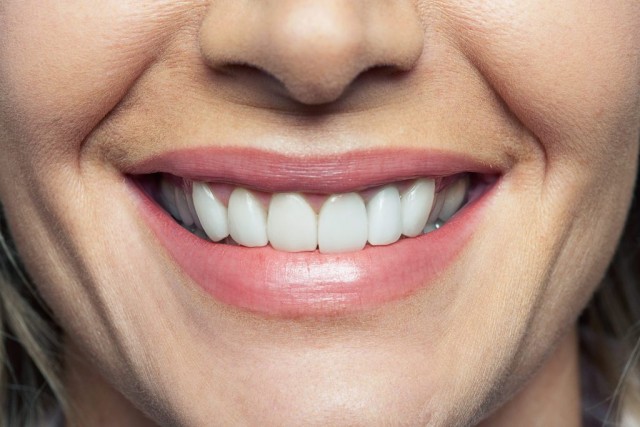
How durable will the bridge be?
- Bridges can last a lifetime, but in order to keep them in top condition you will need to maintain excellent oral hygiene.
- Keep your gums and teeth healthy so that the bridge will not lose its support.
- Visit your dentist regularly for checkups and professional cleanings.
Bridge aftercare instructions
- Avoid chewing gum or sticky foods.
- Brush the bridge like a normal tooth.
- Floss at least once a day under the bridge as well as between your natural teeth with a proxy brush, which is a very small brush designed to access small spaces between teeth. Better yet, use a threaded floss or super floss to remove plaque underneath the bridge. These are readily available at pharmacies. Our team will gladly demonstrate these steps.
- The use of a fluoride rinse may be a useful additional step for the patient with a history of tooth decay and gum disease.
- Visit your dentist regularly for professional cleaning.
- And after that, don’t hesitate to flash your new smile!